
Unspoilt beaches
POINTS OF INTEREST / Unspoilt beaches
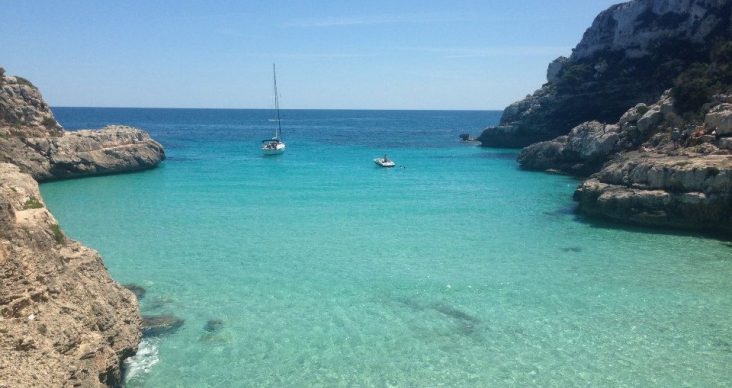
There are plenty of hikes around the island for beginners and experts that lead to some of the most outstanding beaches in Mallorca. Hikes between 30 minutes and 2 hours can lead you to empty beaches with beautiful views just for you. The natural park Llevant for example will walk you through the mountains in the north and has plenty of small paths allowing you to see deserted coves and beaches.
other points of interest

Soller Railway Station
The route will begin at the Railway Station, located at Plaça Espanya, 6. The building housing Sóller train station was the old 17th century fortified house of Can Mayol. Above the entrance arch of the façade, a console displays the date of 1606. It was later converted into a hotel and eventually, at the beginning of the 20th century, into a railway station. The result of the restructuring from 1911-1912 is the art nouveau style preserved in the building, consisting of a series of delicate decorative details on doors, windows, ironwork, platform corbels and the tank in the courtyard, among other places. On leaving the station, to the left, beside the Major water course, you will see before you three examples of the typical railings that border the gardens of many houses in Sóller. Can Penya, Can Isabel and Cas Fideuer display the skilled ironwork of the artisans of the first third of the 20th century. Flowers, rosettes and leaves intertwine in elegant and simple designs. Pines, araucarias (or monkey-puzzle trees) and palms grow in these gardens.

La Victoria & Smugglers cave
This excursion takes you through the coast and the mountains of the northern peninsula and is a great way to see the best nature in Mallorca. Moreover, the peninsula La Victoria is considered one of the most beautiful spots on the island because of its unspoilt nature and the beautiful landscapes. After the hike you can enter a cave once used by smugglers. This hike is great for both beginners and experts and takes you through an area declared as a “Natural Area of Special Interest”.

Bellver Castle
Gothic castle, circular in shape and the only one of its kind (XVI century). Located on a hill overlooking the city of Palma, the fortress has sweeping views over the bay. The ground floor houses the Palma History Museum, with exhibits from archaeological excavations, and the Cardinal Despuig Collection.
TEST ONLINE: take our test and check your level
begin testWhy Spanish?
DO YOU KNOW THAT SPANISH
IS THE SECOND MOST SPOKEN LANGUAGE IN THE WORLD?
Achieve a level that allows you to communicate with international businesses and broaden your job opportunities.
Be able to visit and communicate in 21 countries.
Learn and experience new cultures and customs.
Why in Mallorca?
LEARN SPANISH IN THE HEART OF THE MEDITERRANEAN, ENJOY THE GREAT WEATHER ALL YEAR LONG AND IMMERSE IN THE SPANISH CULTURE.
Discover some of the most beautiful beaches in the world as well as unique cultural experiences; take advantage of the water sports and hiking to see the natural beauty of the island.
Experience Spanish learning surrounded by native speakers and join in on their day to day activities.
Learn in small classes that will allow you to have maximum student to teacher attention.
Don´t forget to visit...

Soller to Deia
This relaxing hike takes you through two of the most charming villages in

